Michigan homeowners know that water management is no joke. Between spring thaws, summer storms, and unpredictable fall rains, yards across the state are constantly battling excess moisture. Poor drainage can lead to soggy lawns, foundation damage, erosion, and even mold issues. Fortunately, there’s a powerful solution that’s both functional and visually appealing: the retaining wall.
Whether you’re dealing with a sloped yard, pooling water, or erosion near your foundation, a retaining wall can transform your outdoor space into a stable, dry, and beautifully structured landscape. In this article, we’ll explore how retaining walls work, why they’re ideal for Michigan’s climate, and how Horizon Landscape can help you design and install the perfect system for your property.
Michigan’s Drainage Challenges: Why Retaining Walls Matter
Michigan’s diverse terrain and seasonal weather patterns create unique drainage challenges:
- Heavy rainfall and snowmelt can overwhelm natural runoff systems.
- Clay-heavy soils common in many regions of Michigan retain water and resist absorption.
- Sloped yards often channel water toward foundations or low-lying areas, causing erosion and flooding.
- Freeze-thaw cycles can destabilize soil and damage landscaping features.
A well-designed retaining wall addresses these issues by reshaping the land, redirecting water, and reinforcing vulnerable areas. It’s not just a decorative feature—it’s a strategic tool for protecting your home and yard.
What Is a Retaining Wall?
A retaining wall is a structure built to hold back soil and create level surfaces on sloped terrain. It can be constructed from a variety of materials, including:
- Boulders (natural and rustic)
- Redi-Rock (engineered concrete blocks)
- Unilock pavers and walls (stylish and modular)
- Timber or treated wood (less common but still used in some designs)
The primary purpose of a retaining wall is to prevent soil movement and manage water flow. By creating terraces or raised beds, it allows for better drainage, erosion control, and usable outdoor space.
How Retaining Walls Improve Drainage
Here’s how a retaining wall solves drainage problems in Michigan yards:
1. Redirects Surface Water
A properly graded retaining wall channels water away from your home and into designated drainage zones. This prevents pooling near foundations and reduces the risk of basement flooding.
2. Controls Erosion
Sloped yards are prone to erosion, especially during heavy rains. A retaining wall stabilizes the soil and prevents runoff from washing away topsoil, mulch, and plantings.
3. Supports Drainage Systems
Many retaining walls are built with integrated drainage features like:
- Weep holes to allow water to escape
- Gravel backfill for improved filtration
- French drains or perforated pipes behind the wall to carry water away
These systems work together to ensure water doesn’t build up behind the wall, which could cause pressure and structural damage.
4. Creates Level Planting Areas
By terracing a sloped yard with retaining walls, you can create flat zones for gardens, patios, or lawns. These areas are easier to irrigate and less likely to suffer from uneven water distribution.
Retaining Wall Design Considerations for Michigan Homes
When designing a retaining wall for drainage, Horizon Landscape considers several key factors:
- Soil type: Clay-heavy soils require additional drainage layers.
- Slope angle: Steeper slopes may need multi-tiered walls or reinforced materials.
- Water flow patterns: Understanding how water moves across your property is essential.
- Material durability: Freeze-thaw cycles demand materials that won’t crack or shift.
Combining Retaining Walls with Landscaping
A retaining wall doesn’t have to be purely functional—it can also elevate your landscape design. Horizon Landscape specializes in integrating retaining walls with:
- Hardscape features like patios, steps, and fire pits
- Native plantings that thrive in Michigan’s climate
- Lighting and irrigation systems for year-round usability
By combining form and function, your retaining wall becomes a centerpiece of your outdoor space—not just a drainage fix.
Professional Installation Matters
While DIY kits exist, installing a retaining wall that truly solves drainage problems requires professional expertise. Horizon Landscape’s team brings:
- Site analysis and grading expertise
- Material selection based on climate and soil
- Precision installation for long-term stability
- Integrated drainage solutions tailored to your yard
Improperly built retaining walls can fail under pressure, leading to costly repairs and ongoing water issues. Trusting a local expert ensures your investment pays off.
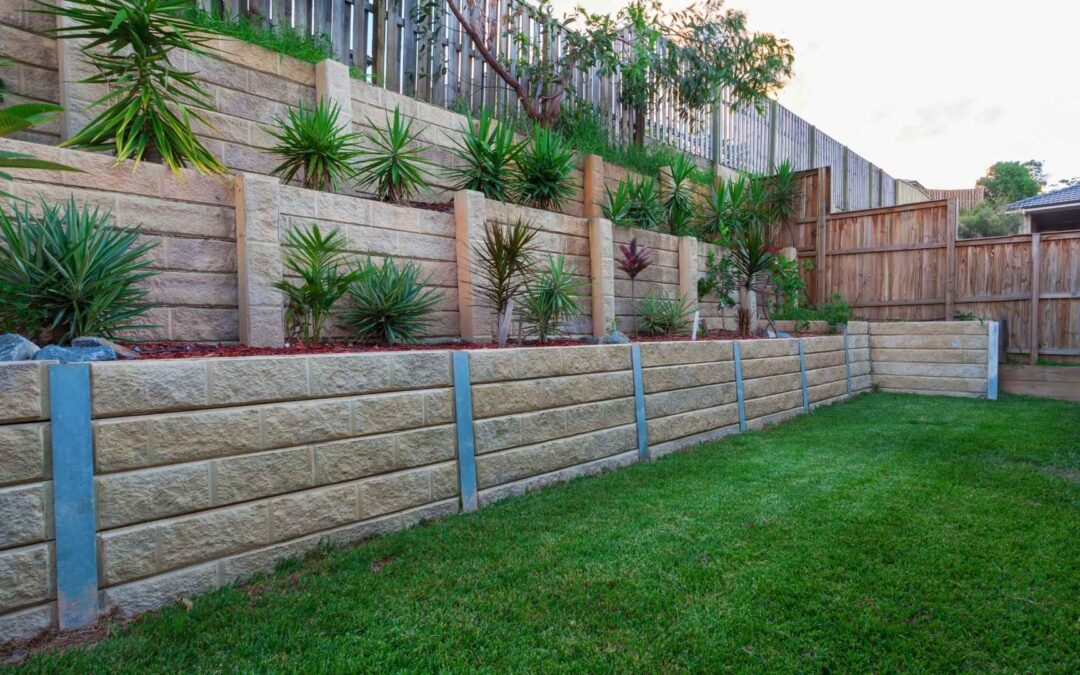
This excerpt from Tangent Lumber describes the pure importance of how a retaining is needed for multi-leveled walls.
Why Horizon Landscape Is Michigan’s Retaining Wall Specialist
Based in Michigan, Horizon Landscape understands the unique challenges of our region’s terrain and weather. We’ve helped hundreds of homeowners transform soggy, sloped, or eroded yards into functional, beautiful outdoor spaces using expertly designed retaining walls.
Our team works with top-tier materials like Unilock, Redi-Rock, and natural stone to deliver custom solutions that last. Whether you need a small garden wall or a multi-tiered system with integrated drainage, we’ve got you covered.
Ready to Solve Your Yard’s Drainage Problems?
Don’t let water damage ruin your landscape or threaten your home’s foundation. A professionally installed retaining wall can make all the difference.
Contact Horizon Landscape today to schedule a consultation and discover how we can design the perfect retaining wall for your Michigan property.
Recent Comments