
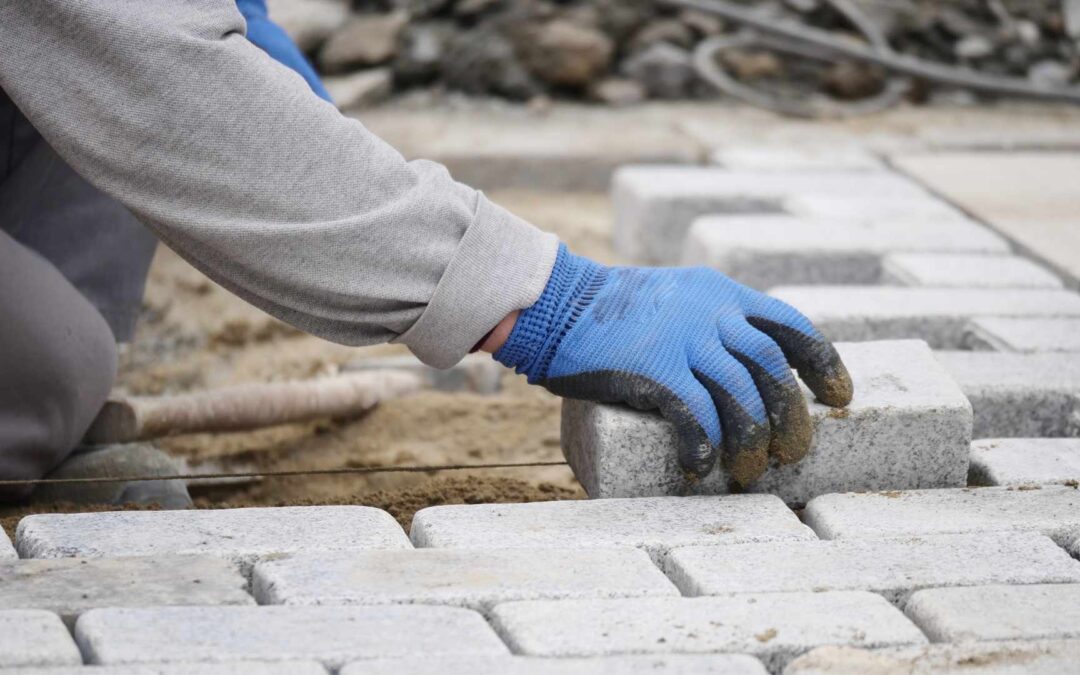
Spring is the perfect season to refresh your outdoor living areas and rethink how your yard functions and feels. As temperatures rise and plants begin to bloom, homeowners start planning upgrades that improve beauty, usability, and property value. One of the most effective ways to achieve all three is by combining hardscape with vibrant green spaces.
Hardscape provides structure and durability, while lawns, trees, and garden beds bring softness and life. When thoughtfully designed, landscape and greenery work together to create a balanced outdoor environment that is both practical and inviting. In this guide, we will explore how to successfully incorporate hardscape into your spring landscaping plans while maintaining healthy and thriving green spaces.
Understanding Hardscape
Before diving into design strategies, it is important to understand what hardscaping involves. Hardscape refers to the non-living elements of your yard. This includes patios, walkways, retaining walls, driveways, fire pits, outdoor kitchens, pergolas, and stone features. These components form the backbone of your outdoor design.
Hardscape creates defined spaces for entertaining, dining, and relaxing. It improves accessibility and drainage while reducing muddy or uneven areas. Because hardscape is built from materials such as stone, brick, pavers, and concrete, it adds durability and long-term functionality to your yard.
When you plan hardscape in spring, you can integrate it seamlessly with new plant growth. Spring weather also provides ideal conditions for installing hardscape features and new plantings at the same time.
The Importance of Balance Between Hardscape and Greenery
The key to successful hardscape is balance. Too much concrete or stone can make a yard feel cold and unwelcoming. Too much greenery without structure can appear overgrown or undefined. Blending hardscape with green spaces ensures your yard feels harmonious.
Hardscape should complement lawns, shrubs, trees, and flower beds rather than compete with them. For example, a stone patio surrounded by lush garden beds softens the look of hardscape. A winding walkway bordered by ornamental grasses enhances both the greenery and the hardscape.
When planning hardscape, think of it as the framework that supports your green elements. Every piece of hardscape should have a purpose, whether it is guiding movement, defining zones, or highlighting focal points.
Planning Your Spring Layout
Spring is an ideal time to map out your landscape design. Start by assessing your yard’s current layout. Identify areas that become muddy, lack definition, or feel underutilized. These spots are prime candidates for landscape improvements.
Sketch a rough layout that includes patios, pathways, and seating areas. As you design your landscaping, consider how each feature connects to green spaces. For example, position a patio near existing trees for natural shade. Integrate raised garden beds into your landscaping to blend stone with vibrant plants.
Think about traffic flow as well. Hardscaping should guide guests comfortably through your yard. Walkways made of pavers or natural stone can connect different zones while protecting grass from wear and tear.
Choosing Materials That Complement Nature
Material selection plays a major role in effective hardscaping. The goal is to choose textures and colors that enhance your green spaces. Earth-toned pavers, natural stone, and warm brick often blend beautifully with spring blooms.
When selecting hardscape materials, consider the surrounding plants. If your garden features bright flowers, neutral stone can balance the vibrancy. If your landscape includes subtle greenery, textured hardscape materials can add visual interest.
Sustainable choices are also important. Permeable pavers allow water to filter through, supporting healthy soil and reducing runoff. According to the Environmental Protection Agency, permeable surfaces help manage stormwater effectively. Incorporating these solutions into your hardscape supports both beauty and environmental responsibility.
Creating Defined Outdoor Living Spaces
One of the main advantages of hardscape is the ability to define outdoor rooms. Spring is the perfect time to create inviting spaces for gatherings and relaxation.
A patio serves as the foundation of many hardscape projects. Surround the patio with garden beds filled with seasonal flowers to soften the edges. Add built-in seating constructed as part of your hardscape to provide function without cluttering the space.
Fire pits are another popular hardscape feature. When positioned within a landscaped seating area, they create a cozy focal point. Frame the fire pit with shrubs or flowering plants to blend hardscape with nature.
Outdoor kitchens also benefit from thoughtful hardscape design. Incorporate stone counters and paver flooring while surrounding the area with herbs or decorative plants for a seamless look.
Integrating Walkways and Pathways
Walkways are essential components of hardscape. They guide movement and protect lawns from excessive foot traffic. In spring, newly installed pathways can prevent damage to emerging grass and plants.
Curved pathways made from natural stone add visual appeal to the hardscape. Line the edges with low-growing plants or mulch beds to soften the transition between hardscape and turf. This approach enhances both structure and greenery.
Stepping stones placed through garden beds are another way to integrate hardscape subtly. They provide access for maintenance while preserving the lush appearance of your yard.
Enhancing Drainage and Soil Health
Hardscape can also improve drainage when properly designed. Spring rain can cause pooling in low areas, leading to plant damage. Retaining walls, grading adjustments, and permeable surfaces are smart hardscape solutions that direct water away from foundations and garden beds.
Raised planters built into hardscape designs improve soil control and plant health. They allow you to customize soil conditions for specific flowers or shrubs. These structures demonstrate how hardscape can actively support thriving green spaces.
By combining drainage strategies with thoughtful planting, hardscape becomes a tool for long-term landscape health.
Blending Vertical and Horizontal Elements
Hardscape is not limited to ground surfaces. Vertical features such as retaining walls, stone columns, and pergolas add depth and dimension. When paired with climbing plants or hanging baskets, vertical hardscape elements create dynamic visual interest.
Pergolas integrated into hardscape provide shade while supporting vines. This combination merges structure with greenery in a natural way. Stone walls can double as seating while framing flower beds, enhancing both practicality and beauty.
By layering vertical and horizontal hardscaping components, you create a more immersive outdoor experience.
Seasonal Plant Pairings for Spring
Spring offers endless opportunities to highlight hardscape with colorful plants. Tulips, daffodils, and pansies brighten patios and walkways. Flowering shrubs placed near hardscape features draw attention to architectural details.
Consider planting ornamental grasses along retaining walls to soften their appearance. Use ground covers between pavers to integrate greenery directly into hardscape surfaces. These techniques ensure that hardscape never feels isolated from nature.
As plants mature throughout the season, they will continue enhancing the look of your hardscape investment.
Lighting to Highlight Hardscaping
Outdoor lighting is an often-overlooked aspect of hardscape. Proper lighting extends usability into the evening while showcasing both stone features and plants.
Install pathway lights along walkways for safety and ambiance. Use uplighting to highlight trees near patios or walls. Integrated lighting within steps or seating areas adds a polished touch to hardscape designs.
When lighting complements, hardscaping becomes even more striking after sunset.
Maintenance Tips for Long Lasting Results
Spring is also the ideal time to inspect and maintain hardscape. Clean pavers and stone surfaces to remove winter debris. Check for shifting materials and address minor repairs promptly.
At the same time, refresh mulch, prune shrubs, and fertilize lawns. The success of landscaping depends on the health of surrounding green spaces. When both elements are well-maintained, your yard will look cohesive and inviting.
Regular sealing of certain hardscape materials can protect against stains and weather damage. Combined with consistent plant care, this approach preserves your investment for years to come.
Increasing Property Value with Hardscaping
Strategic hardscape can significantly increase property value. Defined outdoor living areas, durable walkways, and attractive retaining walls appeal to potential buyers. When paired with lush green spaces, hardscape enhances curb appeal and functionality.
Spring improvements are particularly impactful because buyers and neighbors can immediately see the results. A thoughtfully designed hardscape plan signals quality and attention to detail.
Beyond aesthetics, hardscape reduces maintenance in high-traffic areas, which is another selling point for homeowners seeking practical upgrades.
Bringing It All Together
Incorporating hardscape into your spring landscaping plan is about more than adding stone or concrete. It is about creating harmony between structure and nature. By balancing patios with flower beds, walkways with lawns, and walls with shrubs, hardscape becomes an integral part of a thriving outdoor environment.
Every element of hardscape should serve both functional and aesthetic purposes. When designed with intention, hardscape enhances green spaces rather than overpowering them. Spring provides the perfect opportunity to plan, build, and plant for lasting beauty.
If you are ready to transform your yard with expertly designed hardscape and vibrant green spaces, professional guidance can make all the difference.
Contact Horizon Landscape today to discuss your vision and start your spring project and take the first step toward a beautifully balanced outdoor space.
Recent Comments