
Michigan winters don’t leave a lot of room for error when it comes to your lawn and landscape. Whatever gets left undone in the fall tends to show up as a problem come spring, whether that’s dead patches in the grass, damaged plants, or hardscape features that took on more stress than they needed to. A solid fall cleanup goes a long way toward protecting everything you’ve put into your yard.
Why Fall Cleanup Matters So Much in Michigan
Your lawn and landscape don’t just stop growing and sit still once temperatures drop. Grass roots are still developing, plants are preparing for dormancy, and anything left in place through a Michigan winter, whether that’s fallen leaves, dead plant material, or standing water, has a real chance of causing damage before spring arrives. Taking care of these things now, while the weather still allows for outdoor work, sets your whole property up for a much easier spring.
Clear Fallen Leaves
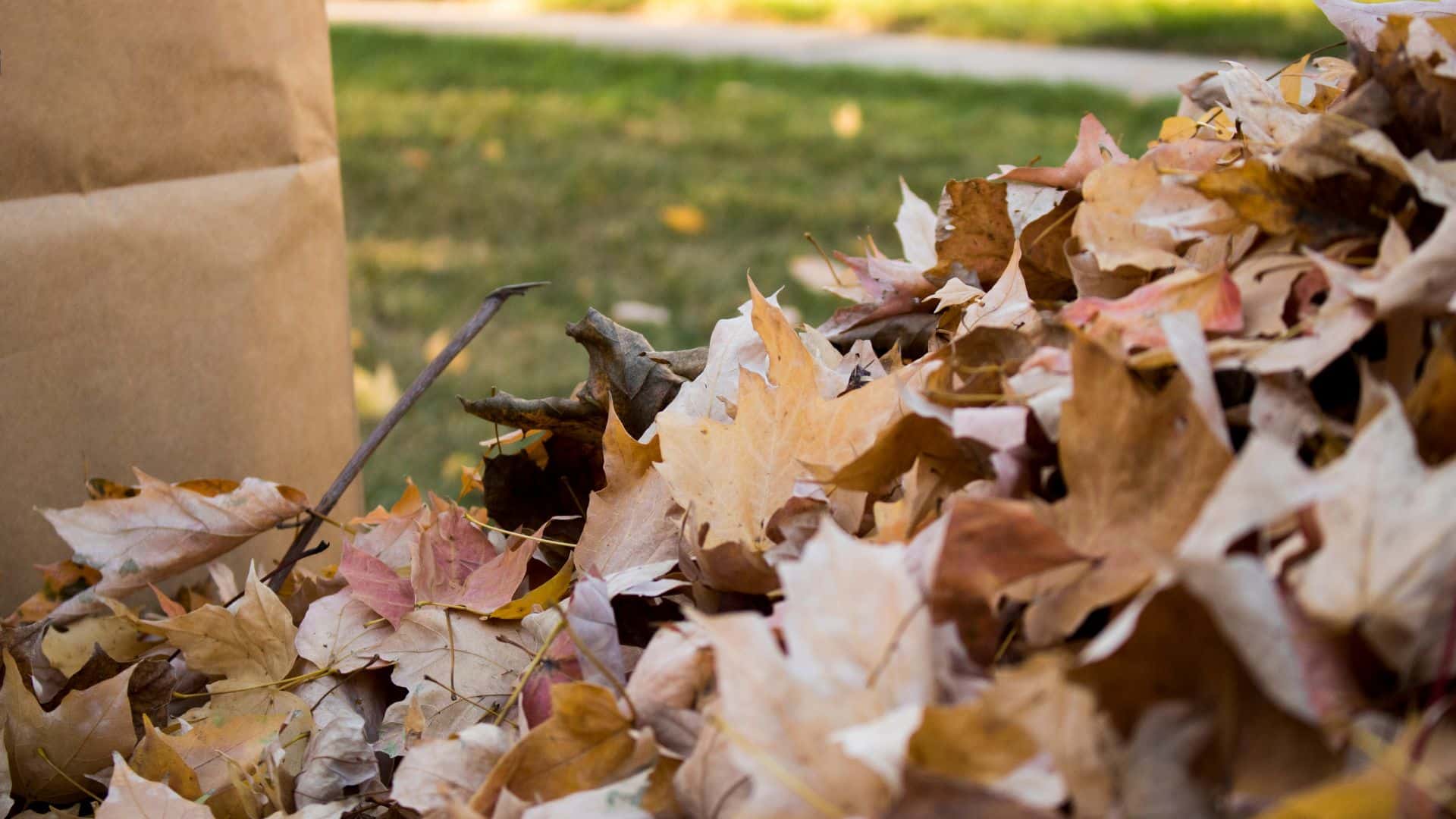
This one seems obvious, but it’s worth doing thoroughly rather than just a quick pass. A thick layer of leaves left on your lawn all winter blocks sunlight and traps moisture against the grass, which can lead to mold, fungus, and dead patches once the snow melts. Raking, mulching with a mower, or having leaves professionally cleared keeps your lawn healthier heading into winter.
Leaves left in garden beds are a little more nuanced. A thin layer can actually help insulate plant roots, but a thick, matted layer can smother perennials and create the same moisture problems seen on lawns.
Give the Lawn a Final Mow and Fertilization
Your lawn benefits from a shorter cut heading into winter, since longer grass is more prone to matting under snow, which invites mold and disease. A final fall fertilization also helps strengthen the root system before dormancy, giving your lawn a stronger start once spring growth begins.
This is also a good time for aeration if your lawn tends to get compacted, since it allows nutrients and water to reach the root system more effectively before winter sets in.
Prune Trees and Shrubs
Late fall, once plants have gone dormant, is a good window for pruning many trees and shrubs. Removing dead, damaged, or overgrown branches now reduces the risk of heavy snow or ice causing breakage over the winter, which can damage the plant or create a hazard near walkways, driveways, or structures.
Not every plant should be pruned in the fall, so if you’re not sure about timing for a specific tree or shrub, it’s worth checking before cutting anything back.
Clean Out Garden Beds
Removing spent annuals, dead plant material, and weeds from garden beds now prevents pests and disease from overwintering in your soil. It also makes spring planting a lot easier, since you’re not clearing out a season’s worth of decayed material before you can even get started.
Protect Vulnerable Plants
Some plants need a little extra help getting through a Michigan winter. Wrapping or covering young trees and shrubs, mulching around the base of perennials, and moving potted plants to a more protected area can all help reduce winter damage, especially for anything that’s been recently planted and hasn’t fully established yet.
Check and Clean Your Hardscape
Patios, walkways, and retaining walls all benefit from a little attention before winter. Clear out any debris that’s collected in joints or gaps, since trapped moisture that freezes and expands can cause cracking over time. If you have pavers, checking for any that have shifted or settled gives you a chance to address it before winter makes it harder to fix.
Drain and Store Irrigation Systems
If you have an irrigation system, it needs to be properly winterized before the first hard freeze. Water left in the lines can freeze, expand, and cause real damage to pipes and components. This is one task that’s worth having a professional handle if you’re not familiar with the process, since a cracked line discovered in spring is a much bigger hassle than a proper fall winterization.
Clear Gutters and Check Drainage
While not technically part of your landscape, clogged gutters and poor drainage around your property can lead to water pooling near your foundation or landscape beds, which becomes a bigger issue once that water freezes. Making sure water has somewhere to go before winter helps protect both your lawn and your home.
Put Away or Protect Outdoor Furniture and Features
Fire pits, outdoor furniture, and other features that aren’t built to withstand snow and ice all winter should be cleaned, covered, or stored before the weather turns. This simple step extends the life of these features significantly compared to leaving them exposed all season.
Why Getting an Early Start Matters
Michigan’s weather can turn quickly in the fall, and a lot of these tasks depend on getting them done before the ground freezes or the first real snow hits. Starting your cleanup in early to mid fall, rather than waiting until the last warm weekend, gives you a much better shot at getting everything done properly instead of rushing through it.
Frequently Asked Questions
Why is it important to clear leaves off the lawn before winter?
A thick layer of leaves left on the grass blocks sunlight and traps moisture, which can lead to mold, fungus, and dead patches once the snow melts. Clearing them thoroughly in the fall keeps your lawn healthier heading into spring.
Should we prune our trees and shrubs in the fall?
Late fall, once plants have gone dormant, is a good window for many trees and shrubs. It reduces the risk of heavy snow or ice causing breakage over the winter, though not every plant should be pruned at this time, so it’s worth checking on timing for specific varieties.
Do we need to winterize our irrigation system ourselves?
It’s best left to a professional if you’re not familiar with the process. Water left in the lines can freeze, expand, and damage pipes and components, and a cracked line discovered in spring is a much bigger hassle than a proper fall winterization.
When should fall cleanup actually start?
Early to mid fall is the best window, rather than waiting for the last warm weekend. Michigan’s weather can turn quickly, and starting early gives you a much better chance of getting everything done properly before the ground freezes.
Does mulch or leaf litter help protect garden beds over winter?
A thin layer can actually help insulate plant roots through the colder months. A thick, matted layer causes the same moisture problems seen on lawns, so it’s more about the amount than avoiding it altogether.
Horizon Landscape Inc. proudly serves Hartland, MI, and the surrounding communities. Questions about our services? Contact our team today.